How to choose paint colours for your home
Does choosing paint colours for your home seem hard?
Slight white, off white, black, white…who knew there were so many shades of white! And if you don’t go with a shade of white, what colour should you go with?
If you find yourself staring at shades on a colour chart with no idea where to start, you’re not alone.
But thankfully help is out there. We have talked with the experts at Resene, and the colour wizards have given us a snapshot of the trends and helpful tips to choosing flawless colours for your home.
Here’s what to do.
What’s on-trend?
It’s safe to say that 2023/24 on-trend colours follow on from previous years. Grounding earthy tones, off white neutrals and highlight special colours.
You hear the term “neutral tones” all the time but why is it so important? By choosing neutral tones you can introduce your favourite splashes of colour through feature walls, cushions, artwork, furniture and soft furnishings. This way when you’re bored of the colour or no longer like it, it is easily changed by introducing new splashes of colour. Now that makes a lot of sense.
How to pick a shade of white
Picking a shade of white comes down to the natural light you get in your home. Newer homes are generally designed and built to capture as much natural light as possible. Older homes might be a little darker.
Due to more natural, warm sunlight, newer homes tend to go for a more grey-white shade, such as these:
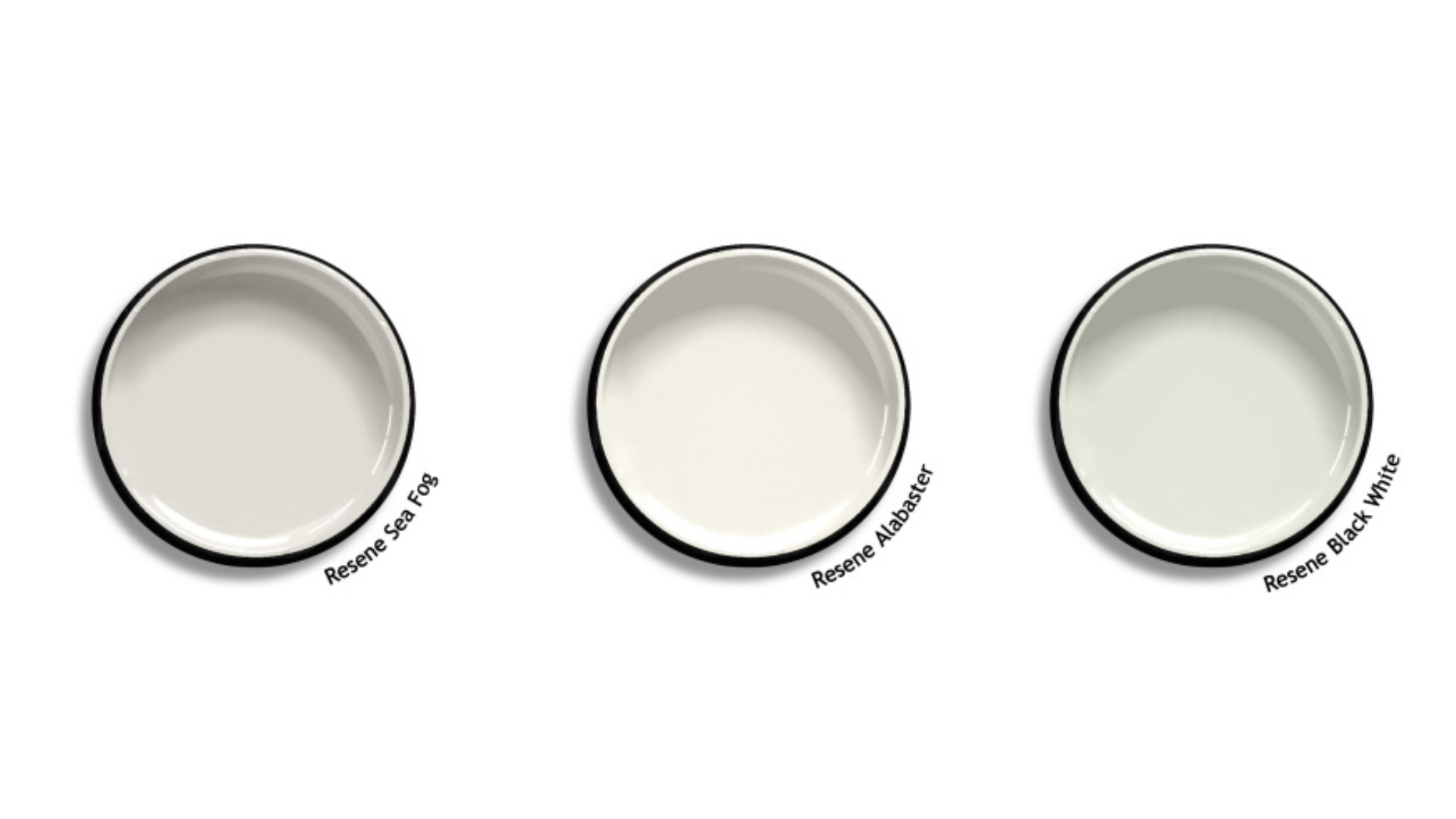
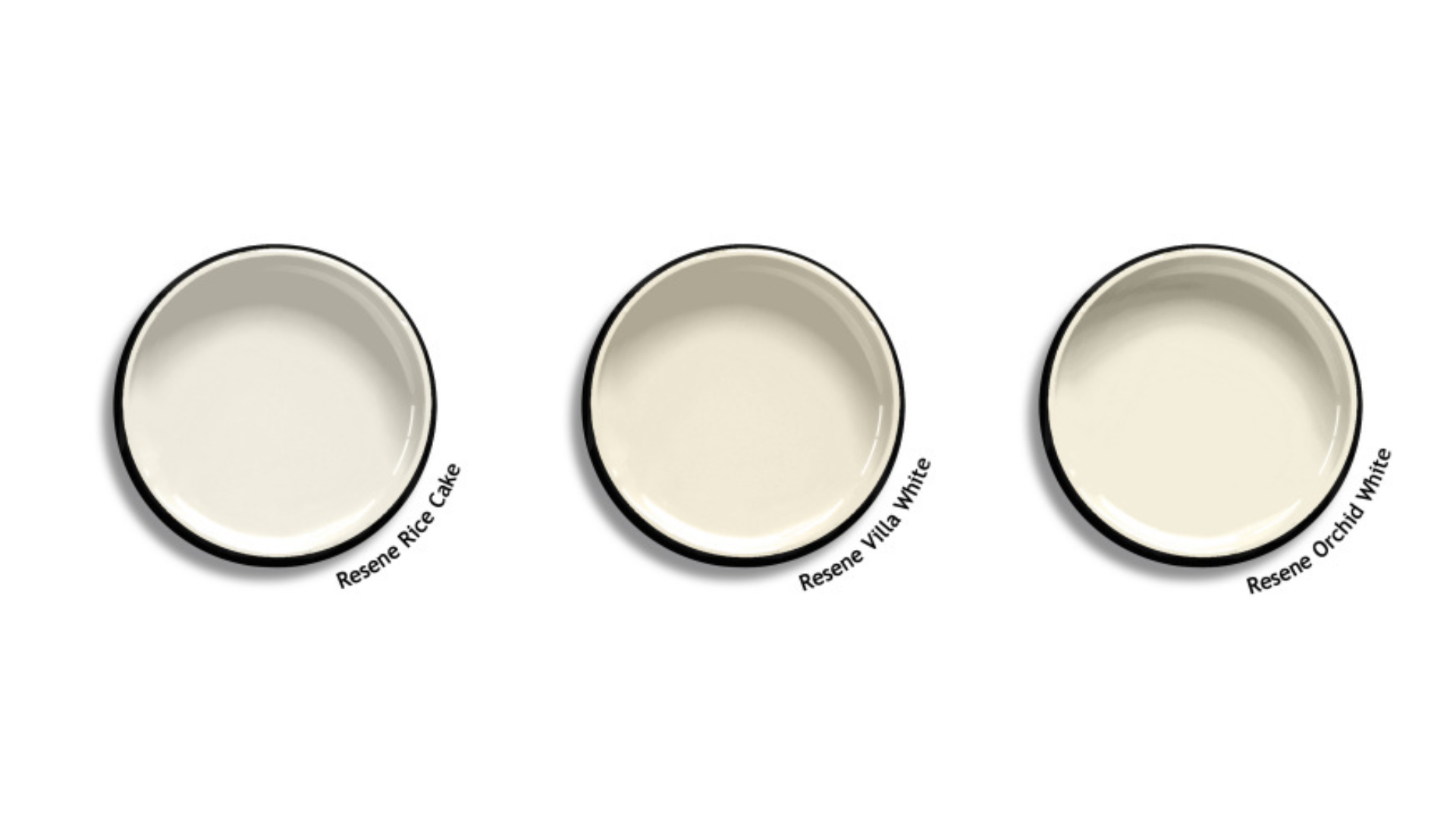
Homes with not so much natural light is better off with a warm, beige-white like these to make up for the lack of natural light.
What level of sheen to use?
The level of sheen (or gloss) depends on the condition of your walls, trims and doors.
Because all Ezyline homes have a fabulous wall finish you can use low sheen on the walls and ceilings. And when it comes to trims, skirtings and doors you can choose from semi or high gloss. To add a really nice contrast and luxury feel use high gloss. It oozes amazing richness.
Choosing a colour for all your ceilings, trims, skirtings and doors is easy. Take the main colour of your walls and then select a ½ or ¼ of the same colour for the ceiling. Trim and doors. This creates a wonderful continuity of colour throughout your home.
Are feature walls still a thing?
Yes, they are most definitely still in and on trend.
Feature walls are a chance to show your wild side. They’re meant to be bold, show off your colourful style and create a room with personality. And because you’ve gone with neutral tones in the rest of the house you can totally pull off a funky feature wall to complement the overall look.
But what colours are in?
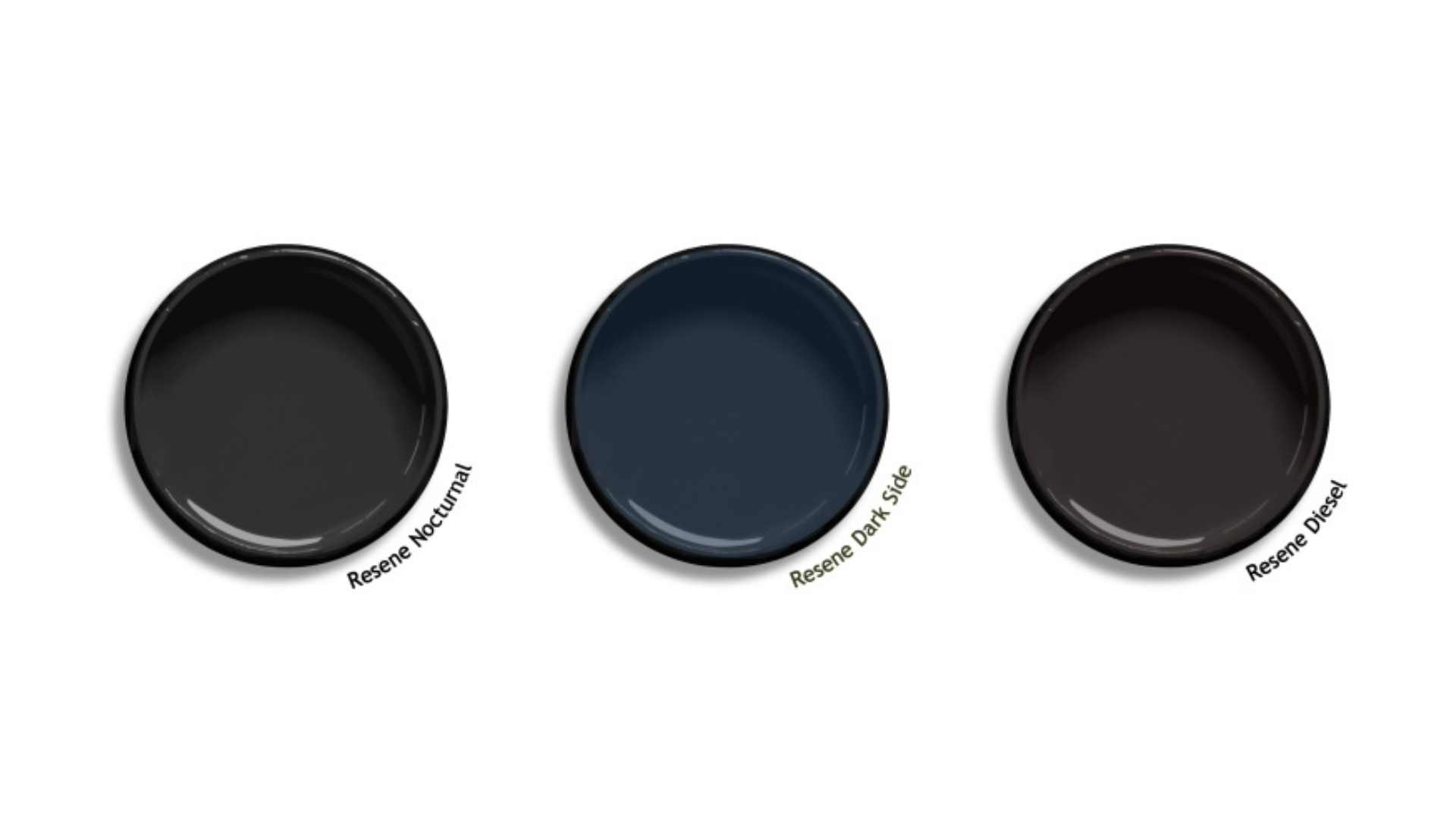
If you’re a blue lover, then try Resene colours ‘Nocturnal’ or ‘Dark Side’. Or, if you’re into earthy tones go for Resene colour ‘Diesel’, it’s got a deep gorgeous red tone.
When choosing paint for your Ezyline Homes you can choose any colours you like from the Dulux and Resene colour palettes.
Now to those exterior paint colours
Have you heard of Light Reflectance Value (LRV)?
It’s something to bear in mind when picking exterior colour for your home.
LRV is the reflectance score given to a colour. 0% = Black and 100% = pure white. There are restrictions in place when painting the outside of your house. The colour you use should be 40% LRV or more so that the paint can perform at it’s best.
What are Resene’s top 3 colours for exterior in 2023?
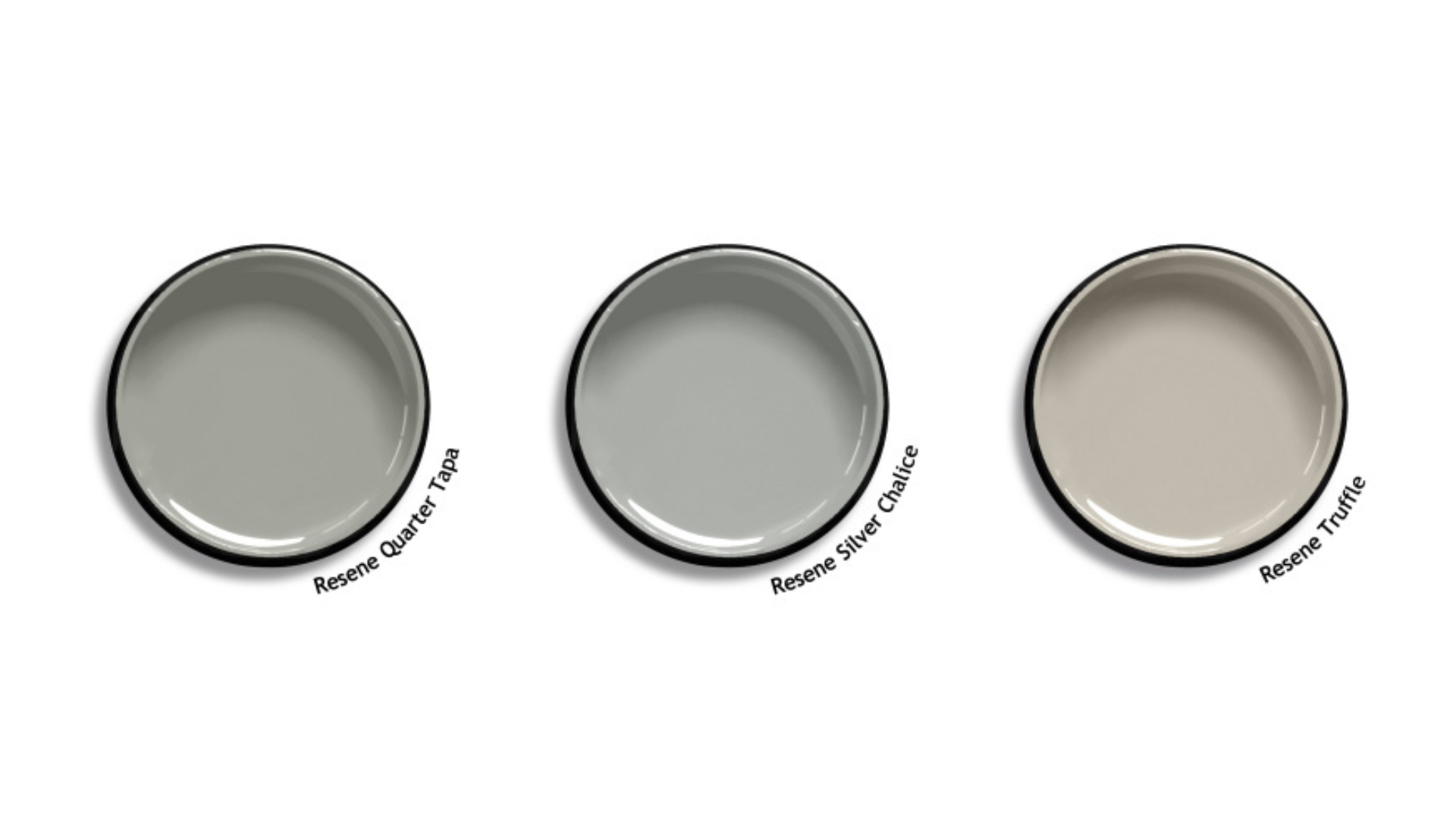
Deciding on colours is a tough task. Hopefully we’ve made it slightly easier, and you can press on with the more important things like organising the housewarming party.
Summary:
Choosing paint colours can feel overwhelming, but this post simplifies the process. Learn how to create a timeless look for your transportable home by balancing natural light, finishes, and colour trends with your personal style.
Check out some more helpful blogs below
Granny flat rules are changing: What it means for Kiwi homeowners
Thinking of adding a granny flat or secondary dwelling to your property? With new legislation set to take effect in early 2026, now is a smart time to start planning. Here’s what you need to know about the new rules, what they mean for you, and how...
Narrow site? No problem. Introducing the Skinny Series Transportable Homes for investors
Finding land is easy. Finding land you can build on is harder. For property investors and small-scale developers, narrow sections and hard-to-access sites come with question marks. That’s where the Skinny Series from Ezyline Homes comes in. Turning...
Introducing our revamped contemporary transportable homes
At Ezyline Homes, we’re proud to lead the way in providing high-quality transportable homes in New Zealand, and we’re always looking for ways to elevate both design and functionality. That’s why we’re excited to introduce our newly revamped...
Keep up-to-date with what’s happening at Ezyline Homes, as well as relevant industry news.
Ready to take the next step?
Stay in the loop
Keep up to date with what’s happening at Ezyline Homes
Buying a transportable home is a big decision. Whether it’s for your main residence, a holiday retreat, worker accommodation, or a secondary dwelling, there are several moving parts to consider beyond just the floor plan.
If you’ve been researching what to look for when buying a transportable home, this is our checklist to help you make an informed choice.
Site Suitability & Access
Before falling in love with a layout, start by investigating whether your site is suitable for a transportable build. Rural and urban sites present different challenges. Narrow driveways, tight turning circles, overhead power lines, or limited access can all influence delivery.
An early site assessment gives your transportable home builder a chance to determine if there are any restrictions to the type of home that will work for your property.
Learn more about what’s involved in the transport and installation phase in our Transportable Homes Delivery Process.
Build Quality, Materials & NZ Compliance
Transportable homes have to comply with the New Zealand Building Code, just like any other residential build. That includes things like structural durability, insulation standards, moisture management, and seismic considerations.
Builds completed in a controlled environment have advantages because construction happens under predictable conditions, allowing for tighter tolerances and greater consistency when installing elements such as insulation and glazing.
When comparing your options, take into account the factors that make for a comfortable home - insulation, glazing, weather performance, and overall longevity of the materials being used.
Read more about how offsite construction improves building outcomes in Why Choose Transportable Homes.
Design Flexibility & Lifestyle Fit
Whether you’re looking for a primary residence, a holiday retreat, or accommodation for workers, considering the right layout based on how you’ll use the home will make the biggest difference to how the property is enjoyed.
Purpose of the home
The intended use of your home significantly influences the features and layout you should prioritise. Here are a few common purposes:
- Additional accommodation for extended family: If the home will serve as extra space for family members, consider their comfort and privacy. Features like multiple bedrooms, a separate bathroom, and a cosy living area can make the space more inviting.
- Holiday home: For a holiday property, prioritise low-maintenance features, easy access to outdoor areas, and amenities that enhance relaxation, such as a deck and outdoor living spaces.
- Worker accommodation: Practicality and durability are key for worker housing. Ensure the home is equipped with sufficient amenities, durable materials, and adequate space for comfortable living.
- Granny flat: Usability and preparing for the future are key considerations. If the person using the home is advanced in years, we can prepare the home by making doors flush entry, putting timber in the walls for future grab rails and making doorways wider for future wheelchair access.
The size of the Home
The number of bedrooms is a fundamental consideration when selecting a transportable home. Think about your current and future needs. If you have a growing family or anticipate hosting guests, opting for additional bedrooms can provide comfort and flexibility.
Bathrooms are another important factor, particularly in homes with multiple occupants. A second bathroom can be a game-changer, reducing morning rush hour stress and providing privacy.
The flow of the home
Customising the orientation of your floorplan to suit your needs goes a long way in helping to make your transportable home tick all the boxes when a standard floor plan doesn’t quite fit the bill.
Whether you’re looking to prioritise open plan living, need plenty of accommodation for all the extended family, or storage is top on your list, considering a floor plan which is tailored to include all the amenities you need is an important consideration to ensure your transportable home fits your lifestyle for years to come.
To explore layouts, view all our transportable house plans or if you want to skip the wait, browse our range of transportable homes available now.
The Build & Delivery Process
One of the biggest differences between a traditional build and a transportable home is where the work happens.
Instead of months of on-site activity, your home is constructed in a controlled environment before being transported and installed on prepared foundations. Timelines can vary depending on a few different factors, but these builds allow more certainty in scheduling and are less likely to run over.
While many transportable, modular, prefab, and kitset homes come in a range of sizes and orientations, often a more customised approach is necessary to achieve the perfect layout for your needs.
Check out the top things to consider when choosing the perfect transportable home for you:
Purpose of the home
The intended use of your home significantly influences the features and layout you should prioritise. Here are a few common purposes:
Additional accommodation for extended family: If the home will serve as extra space for family members, consider their comfort and privacy. Features like multiple bedrooms, a separate bathroom, and a cosy living area can make the space more inviting.
Holiday home: For a holiday property, prioritise low-maintenance features, easy access to outdoor areas, and amenities that enhance relaxation, such as a deck and outdoor living spaces.
Worker accommodation: Practicality and durability are key for worker housing. Ensure the home is equipped with sufficient amenities, durable materials, and adequate space for comfortable living.
Granny flat: Usability and preparing for the future are key considerations. If the person using the home is advanced in years, we can prepare the home by making doors flush entry, putting timber in the walls for future grab rails and making doorways wider for future wheelchair access.
Number of bedrooms
The number of bedrooms is a fundamental consideration when selecting a transportable home. Think about your current and future needs. If you have a growing family or anticipate hosting guests, opting for additional bedrooms can provide comfort and flexibility. Even if the home is intended as a holiday retreat or worker accommodation, having extra rooms can enhance privacy and convenience.
Number of bathrooms
Bathrooms are another important factor, particularly in homes with multiple occupants. A second bathroom can be a game-changer, reducing morning rush hour stress and providing privacy. Consider the number of people who will use the home regularly and whether additional bathrooms are necessary to meet their needs.
Separate laundry area
A dedicated laundry area is a practical feature that many overlook. A separate laundry room can help keep the rest of the home organised and clutter-free. Whether you're washing beach towels from a day at the holiday home or uniforms in a worker accommodation setting, a designated laundry space adds convenience and functionality.
Customisable layouts
The ability to pick your preferred finishes including paint colours, floor coverings, joinery, and appliances is an easy way to help make your transportable home feel like your own. Customising the orientation of your floorplan to suit your needs goes a long way in helping to make your transportable home tick all the boxes when a standard floor plan doesn’t quite fit the bill.
Whether you’re looking to prioritise open plan living, need plenty of accommodation for all the extended family, or storage is top on your list, considering a floor plan which is tailored to include all the amenities you need is an important consideration to ensure your transportable home fits your lifestyle for years to come.
Living area size
The living area is the heart of any home, where family and friends gather to relax and socialise. The size of the living area should align with your lifestyle and how you plan to use the space. For those who love entertaining, a larger living area may be ideal. Conversely, if the home is a secondary residence or for temporary use, a more compact living space might suffice with the extra floor plan used for additional bedrooms or storage.
Kitchen and dining area
The kitchen and dining area are crucial spaces for daily living. Consider the size and layout of the kitchen, especially if you enjoy cooking. A well-designed kitchen with ample counter space, storage, and modern appliances can make meal preparation a pleasure. The dining area should comfortably accommodate the number of people you expect to dine regularly.
Storage space
Lack of storage is often a pain point in any home. Evaluate the available storage options, including closets, cabinets, and potential external storage like sheds or garages. Ample storage helps keep the home organised and clutter-free, contributing to a more pleasant living environment.
Keen to find out more? Check out our full range of standard floor plans here or get in touch to chat with our friendly team about how we can help bring your transportable home to life.