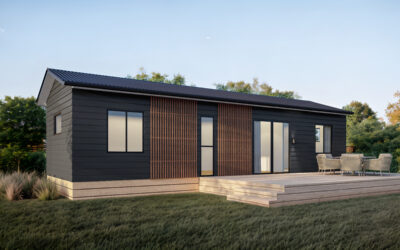
Why choose a transportable home?

High quality, customisable, transportable homes.

Home / Why Transportable?

Benefits of choosing a transportable home from Ezyline

The first question to answer is what actually is a transportable home?

These homes are built in our manufacturing facilities, completed and then sent to your site via road transporter. You may hear these homes referred to as prefabs/prebuilt.

 

Speed

Because of the systems and processes developed over 19 years the time to build Ezyline transportable homes are considerably faster than onsite building.

Less Delays

Because the Ezyline Homes are manufactured in purpose made facilities work continues through all weather conditions. Delays are strictly managed and Ezyline can produce homes on time and on budget.

Better Budgets

Ezyline have spent many years working out the most efficient way to build our homes. This means less labour costs. Couple that with Ezyline’s bulk buying arrangements with industry leading suppliers and we can pass significant savings onto you.

No Surprises

Unlike onsite builds there are no nasty surprises for you when you start building. The tightly controlled prebuild process at Ezyline ensures you get exactly what you have asked for. Ezyline will deliver your home completed, on time, in specification and on budget.

Flexibility

At Ezyline you have endless opportunities to make modifications to your home. You can easily stamp your individuality on your new home. 

Peace of mind guaranteed with our
10 YEAR STRUCTURAL WARRANTY

When you invest in an Ezyline Home, you're investing in lasting quality and peace of mind. That’s why we proudly offer a 10 year structural warranty as our commitment to excellence in both materials and workmanship.

This warranty covers the structural integrity of your home, including the sub floor, framing, roof structure and load-bearing elements. It’s our promise to you that your home has been built to last, using high-quality materials and crafted by experienced professionals who take pride in their work.

We understand that building or purchasing a home is one of the biggest decisions you'll make. With our 10 year warranty, you can rest easy knowing your investment is protected long after the keys are handed over. Should any covered structural issues arise due to defective materials or workmanship, we’ll take care of the repair - promptly and professionally. No fine print. No fuss.

Enjoy total confidence in the strength and durability of your home, backed by a decade of protection. Because your peace of mind is as important to us as the home we build for you.
Ezyline Homes 10 year guarantee

BUILT TO LAST.

BACKED FOR 10 YEARS.

1 Bedroom House Plans

50m² house plans

2 Bedroom House Plans

60m² – 80m² house plans

3 Bedroom House Plans

84m² – 106m² house plans

4 Bedroom House Plans

105m² – 120m² house plans

Frequently asked questions (FAQs)

What is the difference between an Ezyline home and a tiny home/pod home?

Tiny/pod homes are typically much smaller in size. They are typically constructed of panels of various types including polystyrene and metal skin panels. They have a distinct shipping container look to them. Ezyline homes start at 50m² and are more traditional in their design.

How does a prefab/prebuilt or modular home differ from a traditionally constructed home that is built onsite?

Prefab/prebuilt or modular homes differ from traditionally constructed homes because they are constructed in an offsite manufacturing facility and then transported to your site either fully assembled, in sections or modules, or as a kit so that it is then assembled on your site.

Depending on the type of prefab/prebuilt or modular homes you chose, many of the same materials are used in construction of the home as one built onsite.

Prefab/prebuilt or modular homes often have a timber floor construction. Traditionally constructed homes are built onsite from the ground up and often with a concrete foundation and concrete floor slab.

Find out more about the various prefabricated construction methods in our recent blog.

Can I visit the manufacturing facility while my home is being built?

Absolutely. You are more than welcome to visit us while your home is under construction.

What is the difference between a kitset, transportable, modular, and prefab home?

Modular, transportable, kitset and prefabricated homes are often perceived as being the same, but they each have distinct differences and unique benefits.

There are several factors to consider before deciding which option is best for you including accessibility to your site, your timeline and budget.

Click here to check out our recent blog where we break down the differences you need to know when considering a kitset, transportable, modular, or prefab home.

Check out some of our helpful blogs below
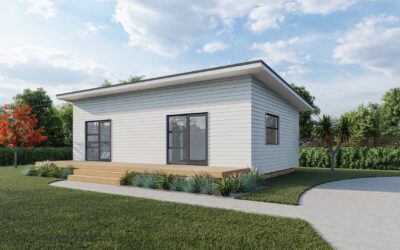
Modern Transportable Homes Made for New Zealand Living

Modern Transportable Homes Made for New Zealand Living

Modern transportable homes have come a long way in recent years. What were once seen as something purely functional are now among the most in-demand housing options in New Zealand.  At Ezyline Homes, we specialise in architectural transportable homes...

read more

Hear what our customers have to say about working with Ezyline

“Any variation to the original plans was easily catered for and the associated cost has been very reasonable.”

“We both are very happy with our Ezyline Home experience. Any variation to the original plans was easily catered for and the associated cost has been very reasonable.

We especially appreciated the small things like the tiling done to match the width of the Range Hood and the fact that a flaw was noticed in the carpet before it was laid. Best wishes to both you and Rachel for your professional and personal approach.”

Ian and Nicky Trethewey             

“Ezyline Homes are simply the best value farm housing we have found”

“We have purchased 5 Ezyline homes now and will be ordering a sixth home shortly, that probably sums up how impressed we are with the quality, value and service we receive from Pam and Wallace. We have definitely noticed that they hold up to the rigours of being tenanted by farm staff better than other kitset housing we have on the farm.

Pam and Wallace have guided us through the process of putting each house on the farm and have accommodated any changes required as well as meeting what have sometimes been tight timeframes. We are very happy to continue with Ezyline Homes, they are simply the best value farm housing we have found.​”

Kim and Sarah Caldwell

“A lovely warm, cosy home to live in, I am very happy.”

“It is a year since I paid a deposit on my 2 bedroom cottage (60m2). I have gardens, paths, patio etc all complete. A lovely warm, cosy home to live in, I am very happy. My son and daughter moved into the main house in October 2018, so we are all settled. Once again thank you for making my life happy and relaxed.”

Jane R, Te Puke

“Just want to thank you ALL for such an amazing job on our new house.”

“We couldn’t be more thankful for the fantastic job you all have done and the totally smooth process from the beginning to end, we were not once disappointed. The quality is well above expectation. Thank you very much we really appreciate it. Enjoy your drinks!”

Nigel, Gallene and all the Bennetts family

“Your service was kind and professional from start to finish”

“Our decision to choose Ezyline was purely due to the customer service that we received very early in the piece from Rachel and Paul. No other transportable home company that we engaged with offered this.

Your service was kind and professional from start to finish. It included awesome communication which left us with no unwanted surprises. Rachel’s interior design consultancy was incredibly helpful and Paul’s calm knowledgeable help with logistics and planning made us feel like nothing was a problem.”

Karina & Ed Jackson

Stay in the loop

Keep up to date with what’s happening at Ezyline Homes

Buying a transportable home is a big decision. Whether it’s for your main residence, a holiday retreat, worker accommodation, or a secondary dwelling, there are several moving parts to consider beyond just the floor plan.

If you’ve been researching what to look for when buying a transportable home, this is our checklist to help you make an informed choice.

Site Suitability & Access

Before falling in love with a layout, start by investigating whether your site is suitable for a transportable build. Rural and urban sites present different challenges. Narrow driveways, tight turning circles, overhead power lines, or limited access can all influence delivery. 

An early site assessment gives your transportable home builder a chance to determine if there are any restrictions to the type of home that will work for your property.

Learn more about what’s involved in the transport and installation phase in our Transportable Homes Delivery Process.

Build Quality, Materials & NZ Compliance

Transportable homes have to comply with the New Zealand Building Code, just like any other residential build. That includes things like structural durability, insulation standards, moisture management, and seismic considerations.

Builds completed in a controlled environment have advantages because construction happens under predictable conditions, allowing for tighter tolerances and greater consistency when installing elements such as insulation and glazing.

When comparing your options, take into account the factors that make for a comfortable home - insulation, glazing, weather performance, and overall longevity of the materials being used.

Read more about how offsite construction improves building outcomes in Why Choose Transportable Homes.

Design Flexibility & Lifestyle Fit

Whether you’re looking for a primary residence, a holiday retreat, or accommodation for workers, considering the right layout based on how you’ll use the home will make the biggest difference to how the property is enjoyed.

Purpose of the home

The intended use of your home significantly influences the features and layout you should prioritise. Here are a few common purposes:

  • Additional accommodation for extended family: If the home will serve as extra space for family members, consider their comfort and privacy. Features like multiple bedrooms, a separate bathroom, and a cosy living area can make the space more inviting.
  • Holiday home: For a holiday property, prioritise low-maintenance features, easy access to outdoor areas, and amenities that enhance relaxation, such as a deck and outdoor living spaces.
  • Worker accommodation: Practicality and durability are key for worker housing. Ensure the home is equipped with sufficient amenities, durable materials, and adequate space for comfortable living.
  • Granny flat: Usability and preparing for the future are key considerations. If the person using the home is advanced in years, we can prepare the home by making doors flush entry, putting timber in the walls for future grab rails and making doorways wider for future wheelchair access.

The size of the Home

The number of bedrooms is a fundamental consideration when selecting a transportable home. Think about your current and future needs. If you have a growing family or anticipate hosting guests, opting for additional bedrooms can provide comfort and flexibility.

Bathrooms are another important factor, particularly in homes with multiple occupants. A second bathroom can be a game-changer, reducing morning rush hour stress and providing privacy.

The flow of the home

Customising the orientation of your floorplan to suit your needs goes a long way in helping to make your transportable home tick all the boxes when a standard floor plan doesn’t quite fit the bill.

Whether you’re looking to prioritise open plan living, need plenty of accommodation for all the extended family, or storage is top on your list, considering a floor plan which is tailored to include all the amenities you need is an important consideration to ensure your transportable home fits your lifestyle for years to come.

To explore layouts, view all our transportable house plans or if you want to skip the wait, browse our range of transportable homes available now.


The Build & Delivery Process

One of the biggest differences between a traditional build and a transportable home is where the work happens.

Instead of months of on-site activity, your home is constructed in a controlled environment before being transported and installed on prepared foundations. Timelines can vary depending on a few different factors, but these builds allow more certainty in scheduling and are less likely to run over.

While many transportable, modular, prefab, and kitset homes come in a range of sizes and orientations, often a more customised approach is necessary to achieve the perfect layout for your needs.

Check out the top things to consider when choosing the perfect transportable home for you:

Purpose of the home

The intended use of your home significantly influences the features and layout you should prioritise. Here are a few common purposes:

Additional accommodation for extended family: If the home will serve as extra space for family members, consider their comfort and privacy. Features like multiple bedrooms, a separate bathroom, and a cosy living area can make the space more inviting.

Holiday home: For a holiday property, prioritise low-maintenance features, easy access to outdoor areas, and amenities that enhance relaxation, such as a deck and outdoor living spaces.

Worker accommodation: Practicality and durability are key for worker housing. Ensure the home is equipped with sufficient amenities, durable materials, and adequate space for comfortable living.

Granny flat: Usability and preparing for the future are key considerations. If the person using the home is advanced in years, we can prepare the home by making doors flush entry, putting timber in the walls for future grab rails and making doorways wider for future wheelchair access. 

Number of bedrooms

The number of bedrooms is a fundamental consideration when selecting a transportable home. Think about your current and future needs. If you have a growing family or anticipate hosting guests, opting for additional bedrooms can provide comfort and flexibility. Even if the home is intended as a holiday retreat or worker accommodation, having extra rooms can enhance privacy and convenience.

Number of bathrooms

Bathrooms are another important factor, particularly in homes with multiple occupants. A second bathroom can be a game-changer, reducing morning rush hour stress and providing privacy. Consider the number of people who will use the home regularly and whether additional bathrooms are necessary to meet their needs.

Separate laundry area

A dedicated laundry area is a practical feature that many overlook. A separate laundry room can help keep the rest of the home organised and clutter-free. Whether you're washing beach towels from a day at the holiday home or uniforms in a worker accommodation setting, a designated laundry space adds convenience and functionality.

Customisable layouts

The ability to pick your preferred finishes including paint colours, floor coverings, joinery, and appliances is an easy way to help make your transportable home feel like your own.  Customising the orientation of your floorplan to suit your needs goes a long way in helping to make your transportable home tick all the boxes when a standard floor plan doesn’t quite fit the bill.

Whether you’re looking to prioritise open plan living, need plenty of accommodation for all the extended family, or storage is top on your list, considering a floor plan which is tailored to include all the amenities you need is an important consideration to ensure your transportable home fits your lifestyle for years to come.

Living area size

The living area is the heart of any home, where family and friends gather to relax and socialise. The size of the living area should align with your lifestyle and how you plan to use the space. For those who love entertaining, a larger living area may be ideal. Conversely, if the home is a secondary residence or for temporary use, a more compact living space might suffice with the extra floor plan used for additional bedrooms or storage.

Kitchen and dining area

The kitchen and dining area are crucial spaces for daily living. Consider the size and layout of the kitchen, especially if you enjoy cooking. A well-designed kitchen with ample counter space, storage, and modern appliances can make meal preparation a pleasure. The dining area should comfortably accommodate the number of people you expect to dine regularly.

Storage space

Lack of storage is often a pain point in any home. Evaluate the available storage options, including closets, cabinets, and potential external storage like sheds or garages. Ample storage helps keep the home organised and clutter-free, contributing to a more pleasant living environment.


Keen to find out more? Check out our full range of standard floor plans here or get in touch to chat with our friendly team about how we can help bring your transportable home to life.