
What to Look for When Buying a Transportable Home in NZ
Buying a transportable home is a big decision. Whether it’s for your main residence, a holiday retreat, worker accommodation, or a secondary dwelling, there are several moving parts to consider beyond just the floor plan.
If you’ve been researching what to look for when buying a transportable home, this is our checklist to help you make an informed choice.
Site Suitability & Access
Before falling in love with a layout, start by investigating whether your site is suitable for a transportable build. Rural and urban sites present different challenges. Narrow driveways, tight turning circles, overhead power lines, or limited access can all influence delivery.
An early site assessment gives your transportable home builder a chance to determine if there are any restrictions to the type of home that will work for your property.
Learn more about what’s involved in the transport and installation phase in our Transportable Homes Delivery Process.
Build Quality, Materials & NZ Compliance
Transportable homes have to comply with the New Zealand Building Code, just like any other residential build. That includes things like structural durability, insulation standards, moisture management, and seismic considerations.
Builds completed in a controlled environment have advantages because construction happens under predictable conditions, allowing for tighter tolerances and greater consistency when installing elements such as insulation and glazing.
When comparing your options, take into account the factors that make for a comfortable home – insulation, glazing, weather performance, and overall longevity of the materials being used.
Read more about how offsite construction improves building outcomes in Why Choose Transportable Homes.
Design Flexibility & Lifestyle Fit
Whether you’re looking for a primary residence, a holiday retreat, or accommodation for workers, considering the right layout based on how you’ll use the home will make the biggest difference to how the property is enjoyed.
Purpose of the home
The intended use of your home significantly influences the features and layout you should prioritise. Here are a few common purposes:
- Additional accommodation for extended family: If the home will serve as extra space for family members, consider their comfort and privacy. Features like multiple bedrooms, a separate bathroom, and a cosy living area can make the space more inviting.
- Holiday home: For a holiday property, prioritise low-maintenance features, easy access to outdoor areas, and amenities that enhance relaxation, such as a deck and outdoor living spaces.
- Worker accommodation: Practicality and durability are key for worker housing. Ensure the home is equipped with sufficient amenities, durable materials, and adequate space for comfortable living.
- Granny flat: Usability and preparing for the future are key considerations. If the person using the home is advanced in years, we can prepare the home by making doors flush entry, putting timber in the walls for future grab rails and making doorways wider for future wheelchair access.
The size of the Home
The number of bedrooms is a fundamental consideration when selecting a transportable home. Think about your current and future needs. If you have a growing family or anticipate hosting guests, opting for additional bedrooms can provide comfort and flexibility.
Bathrooms are another important factor, particularly in homes with multiple occupants. A second bathroom can be a game-changer, reducing morning rush hour stress and providing privacy.
The flow of the home
Customising the orientation of your floorplan to suit your needs goes a long way in helping to make your transportable home tick all the boxes when a standard floor plan doesn’t quite fit the bill.
Whether you’re looking to prioritise open plan living, need plenty of accommodation for all the extended family, or storage is top on your list, considering a floor plan which is tailored to include all the amenities you need is an important consideration to ensure your transportable home fits your lifestyle for years to come.
To explore layouts, view all our transportable house plans or if you want to skip the wait, browse our range of transportable homes available now.
The Build & Delivery Process
One of the biggest differences between a traditional build and a transportable home is where the work happens.
Instead of months of on-site activity, your home is constructed in a controlled environment before being transported and installed on prepared foundations. Timelines can vary depending on a few different factors, but these builds allow more certainty in scheduling and are less likely to run over.
Understanding Costs Without Letting Them Decide Everything
Cost is always part of the conversation when it comes to house buying at any scale. Some of the most common questions are:
- What is the cost of a transportable home in NZ?
- What does it cost to transport a home in NZ?
The reality is that the total cost of the project will depend on variables. The cost of a transportable home in Northland, off the beaten trail, will be different to one on a flat, easy-access site in the Bay of Plenty. The work involved in preparing the site, foundation requirements, services, customisation, and delivery logistics all come into play.
Builder Experience Matters
Our last point to cover off is that experience counts for a lot. In the past few years, small outfits have popped up all over NZ, offering cheap transportable homes. But the reality is that no matter what you spend, a transportable home is going to be quite an investment, and it’s something you want to get right first time.
A quality transportable home involves design, controlled-environment construction, council approvals, transport logistics, and on-site installation. Working with an experienced New Zealand builder can simplify that process and reduce risk.
If you’d like to see the difference in quality for yourself, book a visit to one of our show homes. Or for more information, download our Transportable Homes Buyer’s Guide.
Summary:
Whether you’re building your main home, a bach, or a sleepout, this blog outlines the key things to think about when choosing a transportable home in New Zealand. From layout and size to council rules and delivery logistics, it helps you make informed, stress-free decisions.
Check out some more helpful blogs below
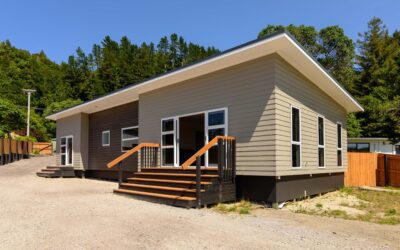
How Much Does a Transportable Home Cost in NZ? 2026 Guide
Discover quality transportable homes for rural, urban, or coastal sites. Enjoy smart layouts, durable finishes, and a 10-year structural warranty – tailored to your needs.
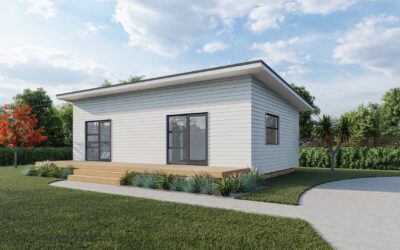
Finance Options for Ezyline Transportable Homes
Discover quality transportable homes for rural, urban, or coastal sites. Enjoy smart layouts, durable finishes, and a 10-year structural warranty – tailored to your needs.
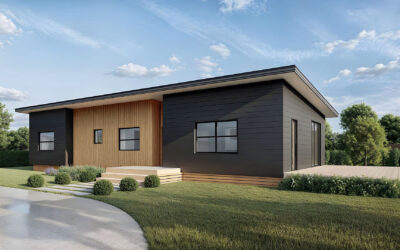
The Ezyline Homes Journey: From Buying to Moving In
Discover quality transportable homes for rural, urban, or coastal sites. Enjoy smart layouts, durable finishes, and a 10-year structural warranty – tailored to your needs.
Keep up-to-date with what’s happening at Ezyline Homes, as well as relevant industry news.
Ready to take the next step?
Stay in the loop
Keep up to date with what’s happening at Ezyline Homes